
One of the world’s most used game engines, Unity have announced today the independent director Bernard Kim to its Board of Directors as of the first of May this year.
The announcement has come after the resignations of Unity board members David Helgason and Tomar Bar-Zeev last week, whom the President and CEO of Unity, Matt Bromberg, called “vital partners” who helped transform the company.
Chairman of Unity’s Board of Directors, Jim Whitehurst, voiced his support for the new member, stating he brings deep experience building and scaling global, public companies at the intersection of games and technology.
“His leadership across mobile gaming, advertising technology, and consumer platforms will be a valuable addition to the Unity Board,” Whitehurst said.
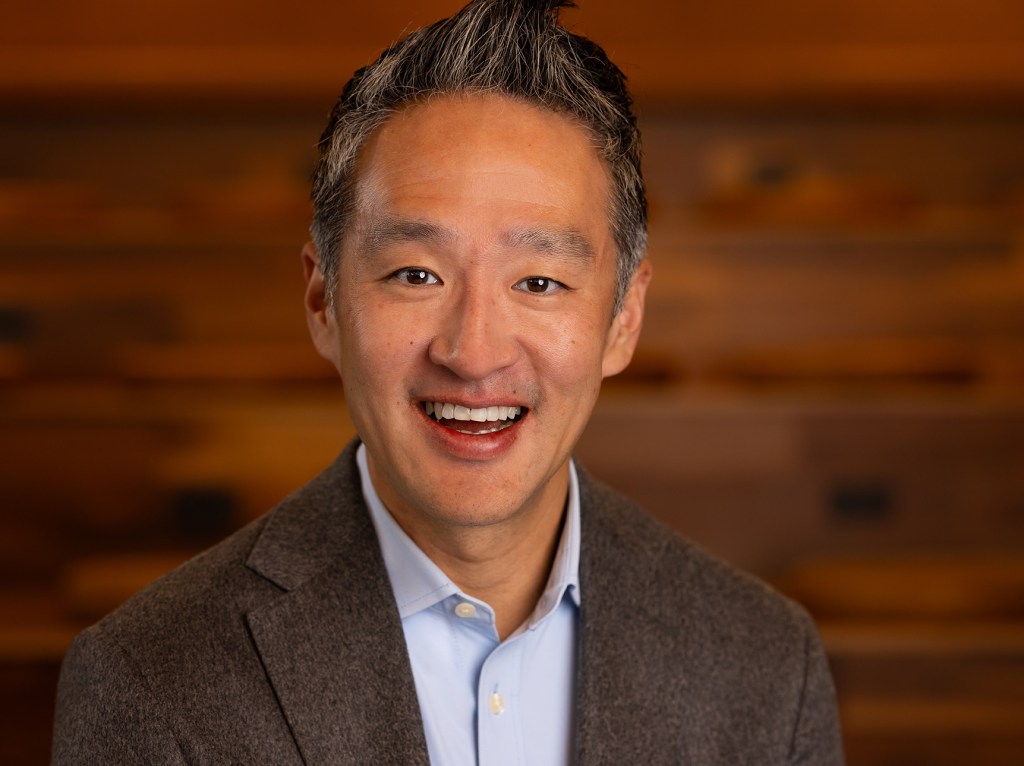
Bernard Kim is an expert in the gaming and technology industry with nearly a decade of work at Electronic Arts (EA), holding titles throughout his career, such as CEO of Match Group and Publishing at Zynga, and he was an interim CEO at Tinder.
Bernard Kim stated in a press release how much of a foundational role Unity plays in the industry and how the company helps create and distribute interactive experiences.
“I’ve long admired the company’s impact on the industry, and I’m excited to work with the Board and leadership team as Unity accelerates its mission to democratise game development,” he said.

The news of new board members accompanies today’s analysis of Unity’s shares, which reportedly increased by 42.13 per cent over the past year, marking the company as financially healthy.
The growth came this Tuesday after analysts from Oppenheimer & Co. promoted the stock to outperform and allocated a price target of $36, which has proven to be beneficial to both groups.
Oppenheimer analyst Martin Yang told publication Benzinga one of the fears in the gaming industry is how artificial intelligence is leveraged and how models like Google’s Project Genie can displace game engines.
Since the introduction and effects of AI in the gaming industry began, companies like NVIDIA have chosen to prioritise the ‘AI Bubble’ over other aspects and products, prompting the cost of RAM to spike across the world.
The increase is also the result of a hardware shortage, as many high-quality RAM products are being bought by AI operators to increase the output of the software.
 Bennett Perry - Journalist
Leave a comment