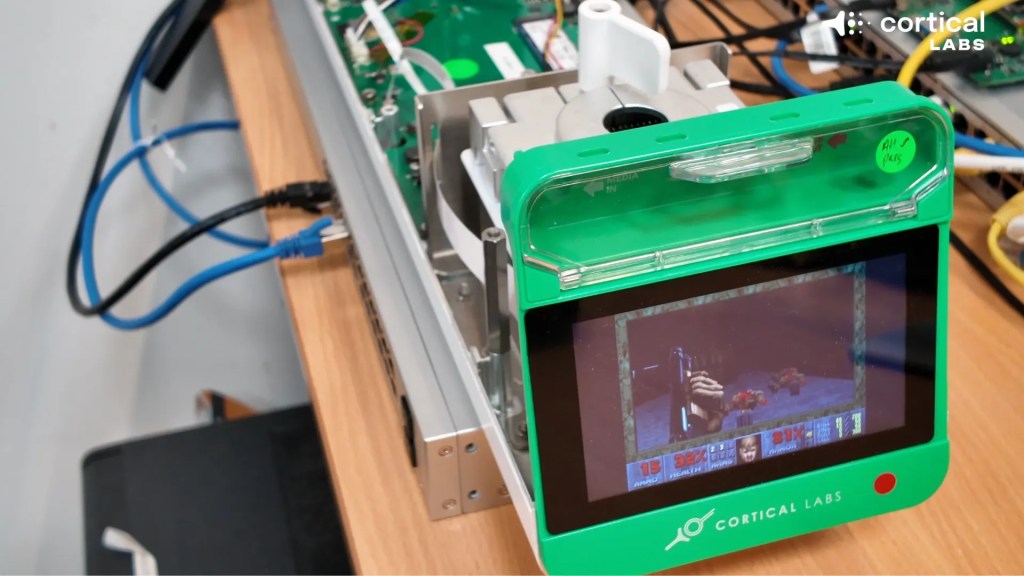
Australian biotechnology company Cortical Labs has created the world’s first code-deployable biological computer, which can play the iconic FPS videogame, DOOM.
The project, shown off in a YouTube video, demonstrated how 200 thousand neurons were programmed and stored inside a server using the company’s own CL1 system, adapted from its previous project in 2022 when they used 800 thousand cells to play Pong.
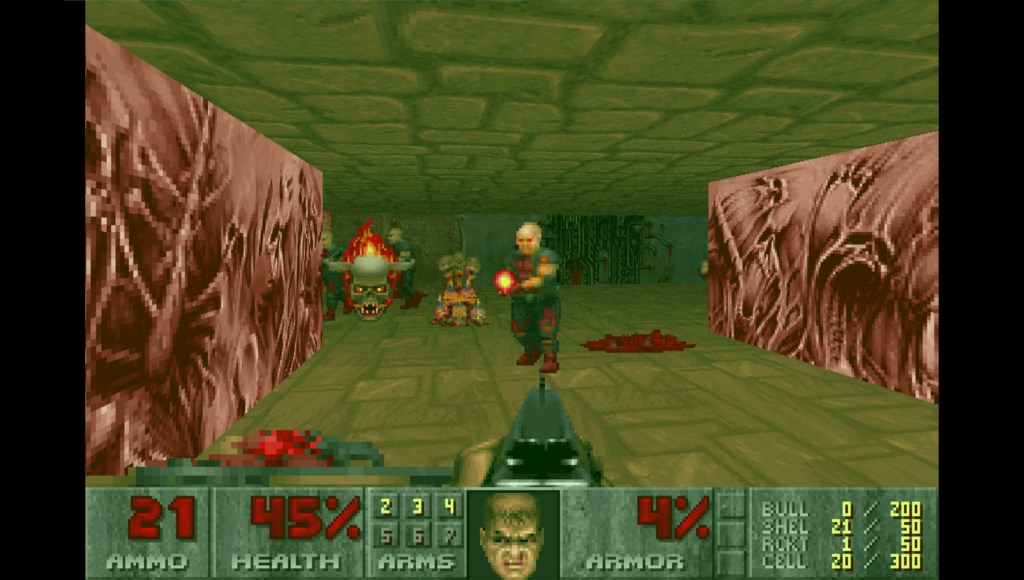
CSO Dr. Brett Kagen compares the difference in complexity between the gameplay of both games, with Pong being simpler, while DOOM is “chaos”.
“It needs to explore its environment, and it’s hard,” he said.
“To bridge that gap, we needed to translate the digital world of Doom into the biological language of neurons, which is electricity.”
The CL1 uses Python, an easy-to-learn language model, to code and operate the brain cells to identify and acknowledge inputs and visual stimuli via electrical patterns.
The brain cells are also still learning how to play, visibly shooting automatically when it senses danger, but are not self-aware or conscious of what they’re doing.
Cortical Labs CEO Hon Weng Chong told The Guardian most of the brain cells used in the experiment came from him through a cell extraction process developed by Professor Shinya Yamanaka in 2012.
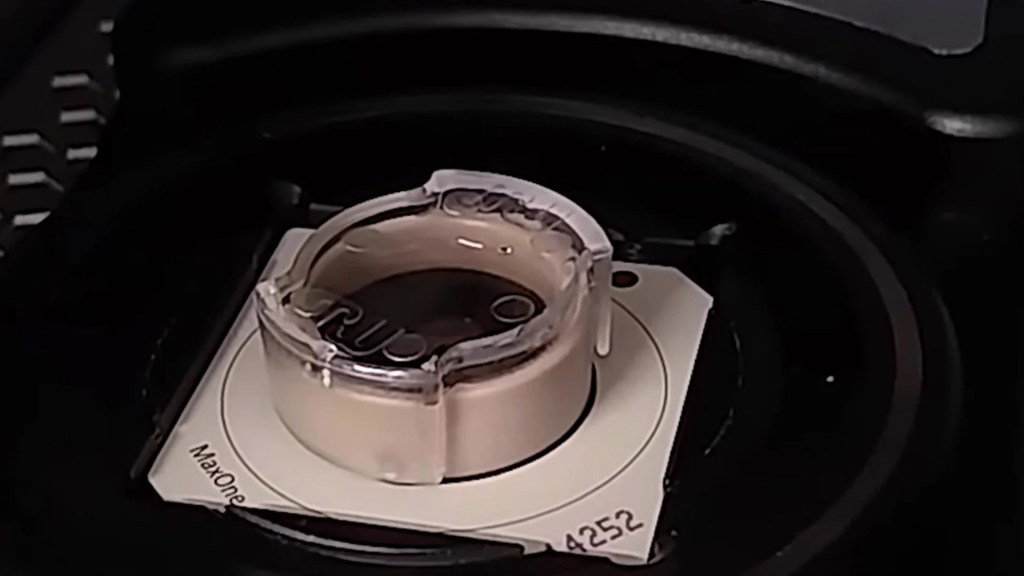
“Essentially we reverse the biological clock back to an embryonic state, induce them into neurons, and put them on a glass chip roughly the size of a 50p piece,” he said.
“Because they’re on a chip – and electricity is the common language between neurons and the computer system – we can interface with them and get them to play Doom.”
Cortical Labs has stated the main reason for the experiments is for medical research, as the results can help further understand brain growth outside of a body.
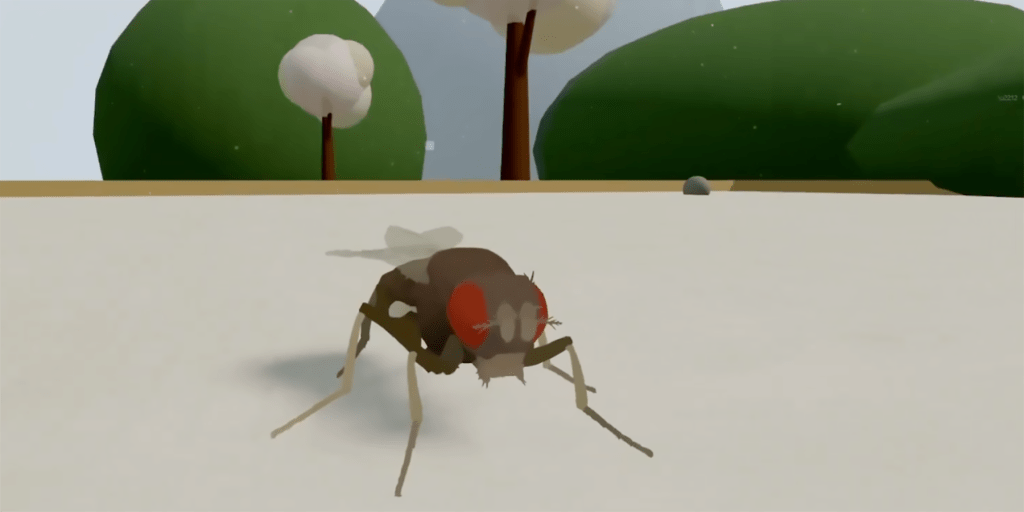
The scientific breakthrough in cell research has come after a US company simulated a fly’s brain in a computer, which began to fly and look for food and identify pixelated sugar cubes.
However, lab researchers have commented real-life senses like smell, taste and sight were not available in the testing; rather, the “fly brain” only understood the concept of sweetness and where it was coming from.
As science’s first few steps into augmented reality via biological means, people in the future may have access to equivalent brain dance systems from Cyberpunk 2077.
 Bennett Perry - Journalist
Leave a comment