
As artificial intelligence becomes more common in everyday life, a Melbourne biotechnology start-up says biological computing could offer a more sustainable way to develop the technology.
Cortical Labs is using chips made from stem cells to create computers designed to adapt and learn more efficiently than conventional artificial intelligence systems, which require large amounts of energy, water and data.
“AI uses crazy amounts of water, crazy amounts of power and insane amounts of data in order to create what we know as ChatGPT or any kind of AI system that governs many aspects of our lives,” Cortical Labs Senior Application Scientist Alon Loeffler said in an interview.
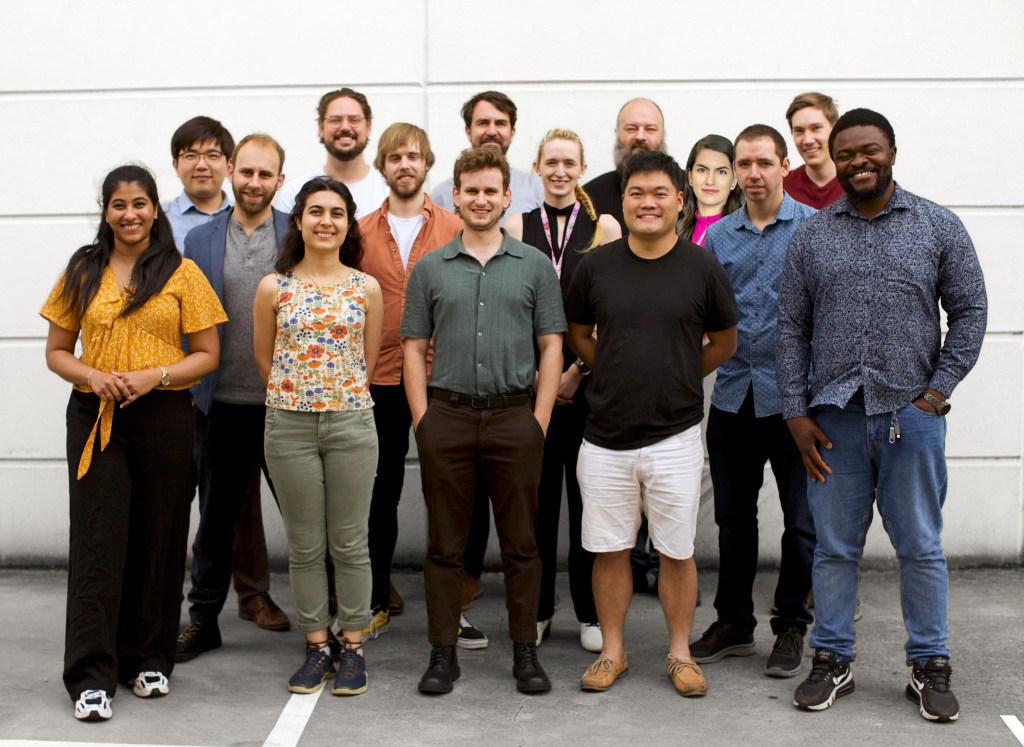
Cortical Labs’ biocomputer, CL1, is powered by about 800,000 hand-crafted neurons and has attracted global attention after being programmed to play retro video games including Pong and DOOM during coding challenges.
Loeffler said the company is trying to remain transparent as it works in an emerging area of science.
“We’re making sure we’re working with ethicists,” he said. “We’re keeping ahead of this as much as possible, publishing a lot of research, being very open and transparent.”
The company sees potential applications in neuroscience research, drug discovery and medical science, though Loeffler said the technology is still developing.
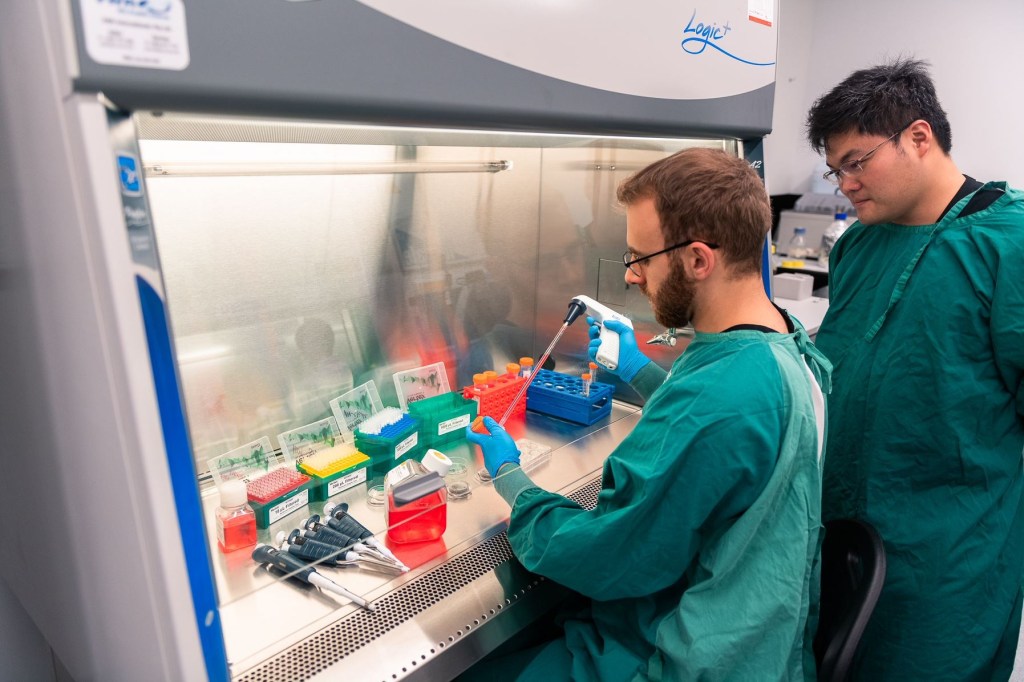
The implementation of AI, including Cortical Lab’s experimental AGIs require specialised software, hardware, and infrastructure, resulting in higher costs due to lengthy development.
“I don’t see this technology jumping ahead crazy in the next five years,” he said. “I see it becoming more and more adopted for some really cool projects.”
Cortical Labs is expected to announce further updates toward the end of the year.


Leave a Reply